
The fascinating journey of gambling From ancient practices to modern entertainment
The history of gambling dates back thousands of years, with evidence of dice games found in ancient Mesopotamia around 3000 BC. Early forms of gambling often revolved around games of chance, where players placed bets on uncertain outcomes, a concept that still permeates modern gambling culture. Ancient Egyptians and Greeks also participated in various gambling practices, often linked to religious ceremonies, which showcased the significance of luck and fate in their societies. Today, platforms like hadesbet-casino.uk provide insights into these age-old traditions and their evolution.

In Ancient China, gambling took on a more structured form, with games like Keno emerging around 200 BC. These activities were often governed by strict social and religious norms, illustrating that gambling was not merely a pastime but an integral part of community life. The use of paper money in gambling transactions is believed to have begun in China, laying the groundwork for modern betting systems and raising the stakes for participants.
The Romans, too, were avid gamblers, enjoying games such as dice and betting on chariot races. Their contributions included formalizing gambling through laws and regulations, which helped establish a framework that continues to influence contemporary gambling practices. This rich tapestry of ancient gambling highlights its evolution from a simple game of chance into a cultural phenomenon deeply woven into the fabric of society.
The shift from informal gambling to organized practices began in the Middle Ages, with the establishment of gaming houses across Europe. The first casinos appeared in Italy during the Renaissance, and they became luxurious spaces where the wealthy could engage in high-stakes games. The concept of the modern casino began to take shape in these environments, attracting elite members of society who sought not only entertainment but also social status through their gambling activities.
The development of modern gambling continued through the introduction of various games such as baccarat and blackjack in France. As these games spread to other parts of the world, each region adapted them, contributing to a diverse gaming culture. The invention of the roulette wheel in the 18th century marked a pivotal moment in casino gaming, creating a unique gambling experience that combined chance with the thrill of spinning the wheel.
The 19th century brought significant changes, with the establishment of Las Vegas as a gambling hotspot in the early 20th century. The legalization of gambling in various states in the U.S. transformed the landscape, making casinos accessible to the masses. This period marked the transition from elite gambling to a broader public interest, setting the stage for the modern entertainment industry we know today.
The late 20th century saw the advent of the internet, revolutionizing the gambling industry by making games accessible to players worldwide. Online casinos emerged in the mid-1990s, allowing individuals to gamble from the comfort of their homes. This convenience attracted a new demographic of players who may not have visited traditional casinos, leading to explosive growth in the online gambling market.
With technological advancements, online gambling platforms began to offer a vast array of games, from classic slots to live dealer experiences. The integration of advanced graphics and sound effects enhanced the user experience, making online gambling more immersive. Moreover, the rise of mobile gambling has further expanded the reach, allowing players to engage in gambling activities anywhere and anytime.
Regulations surrounding online gambling have evolved as well, with many countries establishing legal frameworks to protect consumers and ensure fair play. These regulations promote trust and security, enabling online gambling to thrive. Today, the online gambling industry is a multi-billion dollar market, reflecting a significant shift from traditional venues to a digital landscape, where players can enjoy their favorite games at their fingertips.
Gambling has become a cultural phenomenon, influencing various aspects of society, including entertainment, sports, and even politics. The integration of gambling into popular culture is evident in films, television shows, and literature, where high-stakes games are often depicted as dramatic showcases of risk and reward. This representation contributes to the allure and mystique surrounding gambling, enticing new players to explore the industry.
Moreover, sports betting has gained unprecedented popularity, fueled by the rise of fantasy sports and significant media coverage of athletic events. This intersection of gambling and sports has transformed how fans engage with games, turning casual spectators into active participants who invest in outcomes. This shift has led to a greater acceptance of gambling as a legitimate form of entertainment, further normalizing the practice within society.
However, with this acceptance comes the need for responsible gambling practices. Organizations and governments are increasingly focusing on educating players about the risks associated with gambling and promoting safe play. The cultural conversation around gambling is evolving, recognizing both its entertainment value and the importance of safeguarding against potential addiction and harmful behaviors.
The future of gambling is poised for continued growth and innovation, driven by technological advancements and changing consumer preferences. Virtual reality and augmented reality are set to play a significant role in shaping the gambling experience, allowing players to immerse themselves in interactive environments. These technologies promise to create more engaging and realistic gaming experiences that could redefine how people perceive and participate in gambling.
Furthermore, the rise of cryptocurrencies is also influencing the gambling landscape. Many online casinos are beginning to accept digital currencies as a form of payment, attracting tech-savvy players who value privacy and security. This integration could streamline transactions, reduce fees, and enhance the overall gambling experience, making it more accessible to a global audience.
As regulatory landscapes continue to evolve, the potential for new markets to emerge presents exciting opportunities for the gambling industry. Countries around the world are exploring legal frameworks that could lead to the legalization of gambling, paving the way for a more integrated and expansive global market. These trends indicate a dynamic future for gambling, where innovation and consumer demand will drive the industry forward.
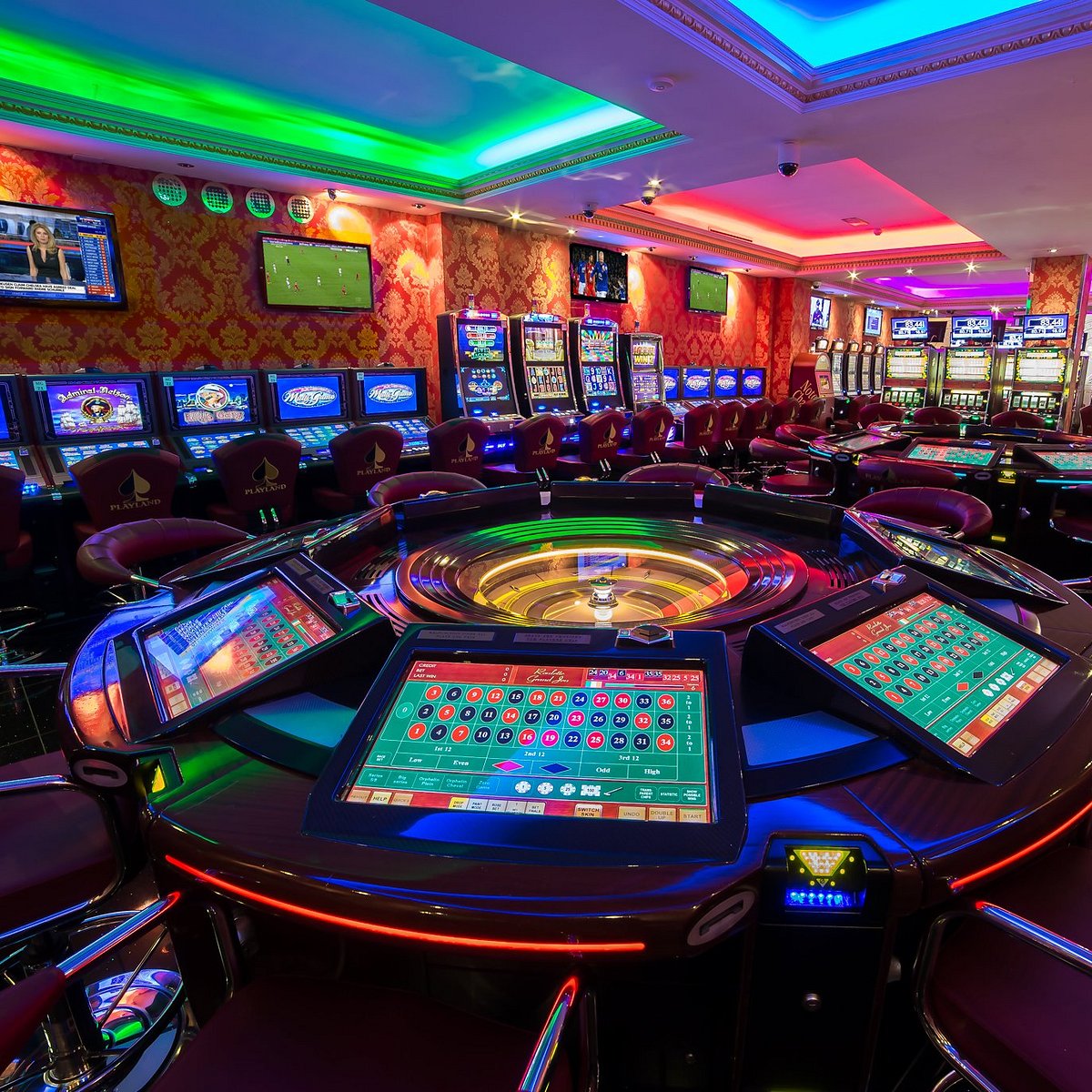
Hades Bet Casino exemplifies the evolution of gambling in the modern era, offering a comprehensive gaming experience that combines high-quality graphics with a user-friendly interface. With an enticing welcome package and a diverse selection of games, it caters to both seasoned players and newcomers alike. The platform focuses on providing a safe and enjoyable environment, ensuring that players can engage in their favorite games without concerns.
The casino features a wide range of options, from popular slots to live dealer experiences, showcasing the versatility and excitement of online gambling. Players can explore instant play options, making it easy to jump into action without lengthy downloads or installations. Hades Bet Casino continually strives to enhance the gaming experience, aligning with modern trends and player expectations.
As the gambling landscape continues to evolve, Hades Bet Casino remains at the forefront, embracing innovation while providing a rich, immersive experience for all players. The dedication to quality and player satisfaction sets it apart in the competitive online gaming industry, reinforcing the notion that gambling can be both entertaining and rewarding in the contemporary age.
Copyright © 2024. Designed by WordPressRiver


Leave a Comment